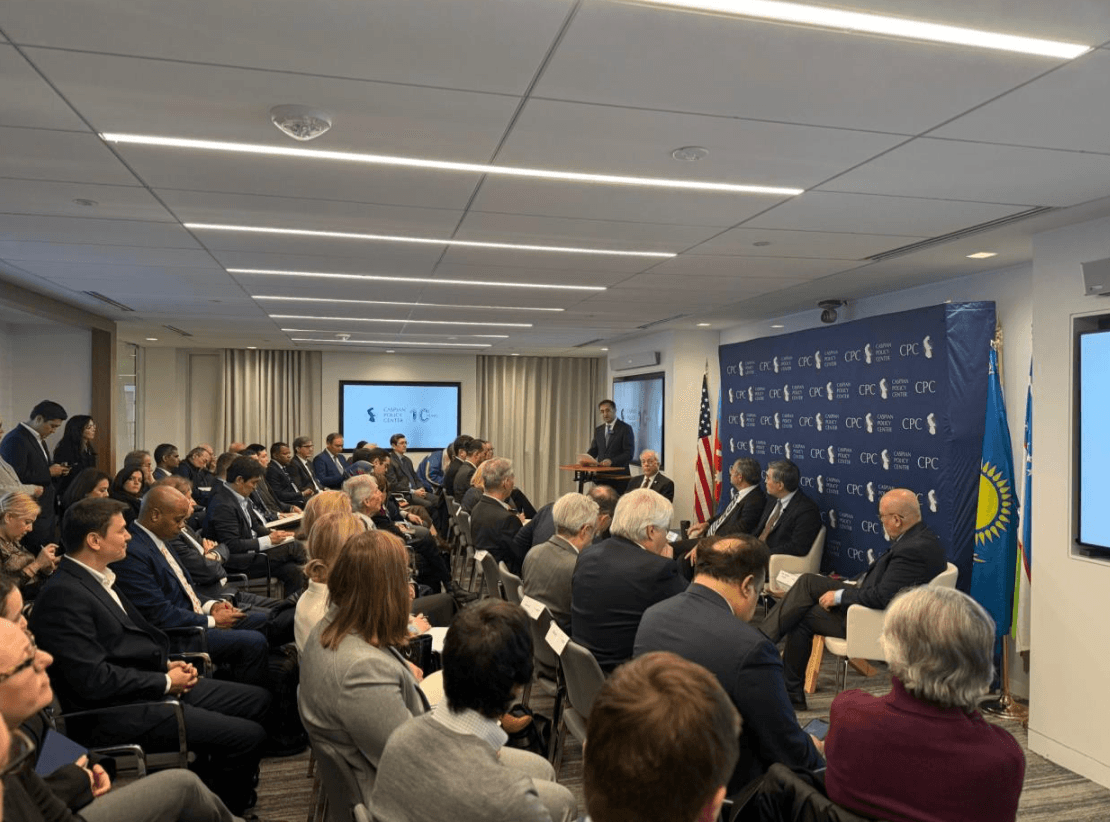
CPC London Roundtable: “The Caspian Region in 2026: C6 and Other Transformations”
Recent Articles
Author: Caspian Policy Center
02/24/2026
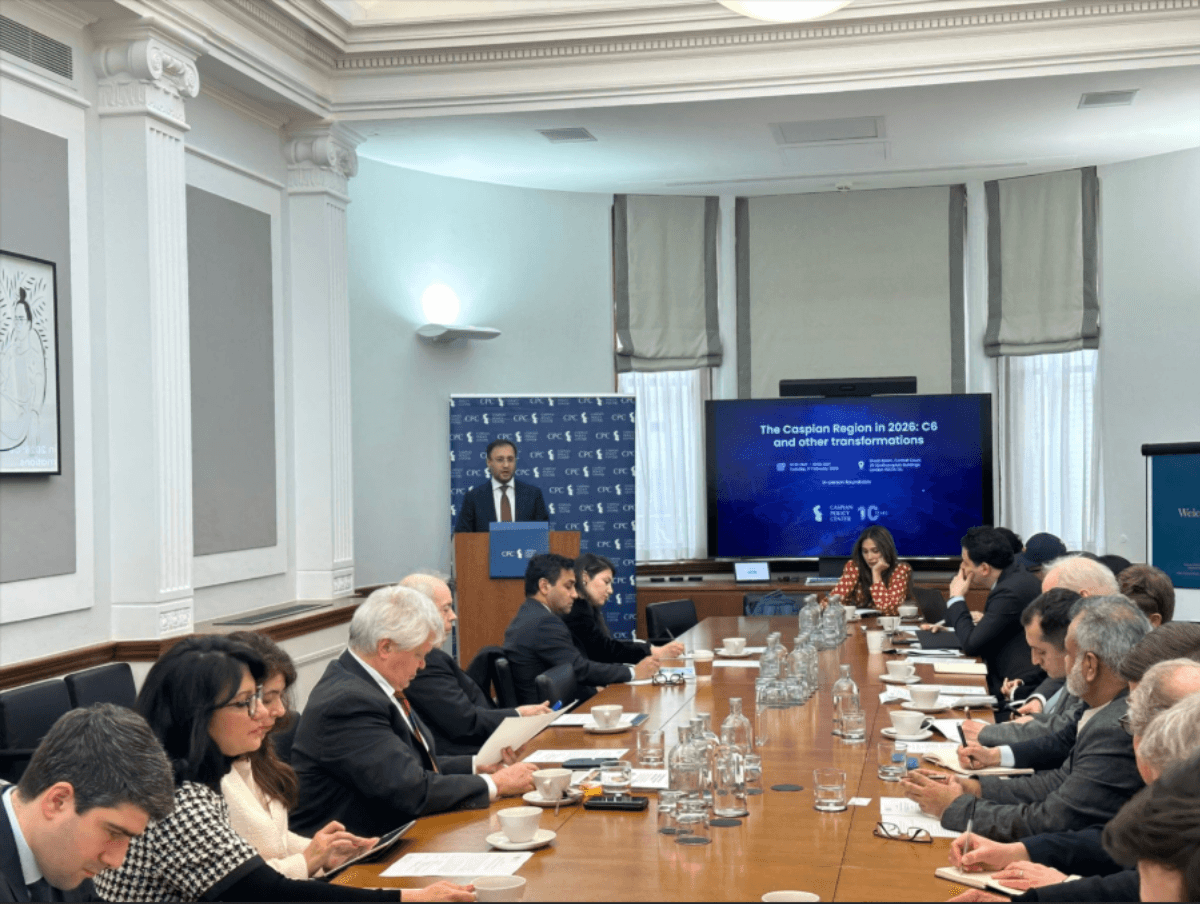
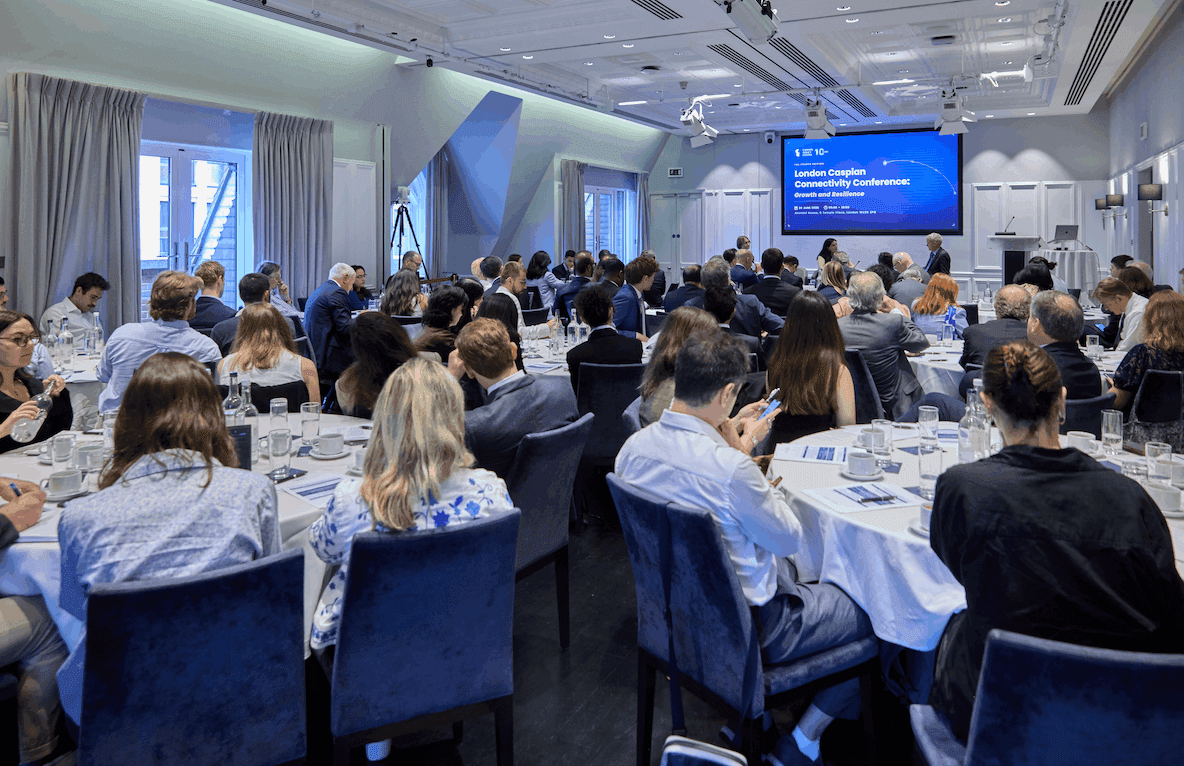
February 17, London - Rapid and profound transformations are taking place in the trans-Caspian region. How those shifts signal a new phase of regional cohesion and strategic integration between the countries of Central Asia and the South Caucasus was discussed on February 17 in a roundtable discussion entitled, “The Caspian Region in 2026: C6 and other transformations.” The session was hosted by the Caspian Policy Centre (CPC)’s London office and moderated by CPC’s United Kingdom Adviser David Moran. Speakers included CPC Advisory Board Members David Moran, James Sharp, Dr. Roger Kangas, Senior Fellow Dr. Eric Rudenshiold, and President Efgan Nifti.
Participants explored how major energy, transit, and connectivity initiatives expanding the Middle Corridor are driving progress toward greater regional stability and sovereignty, as well as deeper global engagement. “What we are seeing now is a deep structural reordering of Eurasia’s political economy—driven by generational change, unfettered economic ambition, and recalibrations of sovereignty,” said Dr. Rudenshiold. “At the center of this transformation is the Middle Corridor, stretching from Central Asia across the Caspian and through the South Caucasus to Türkiye and Europe.”
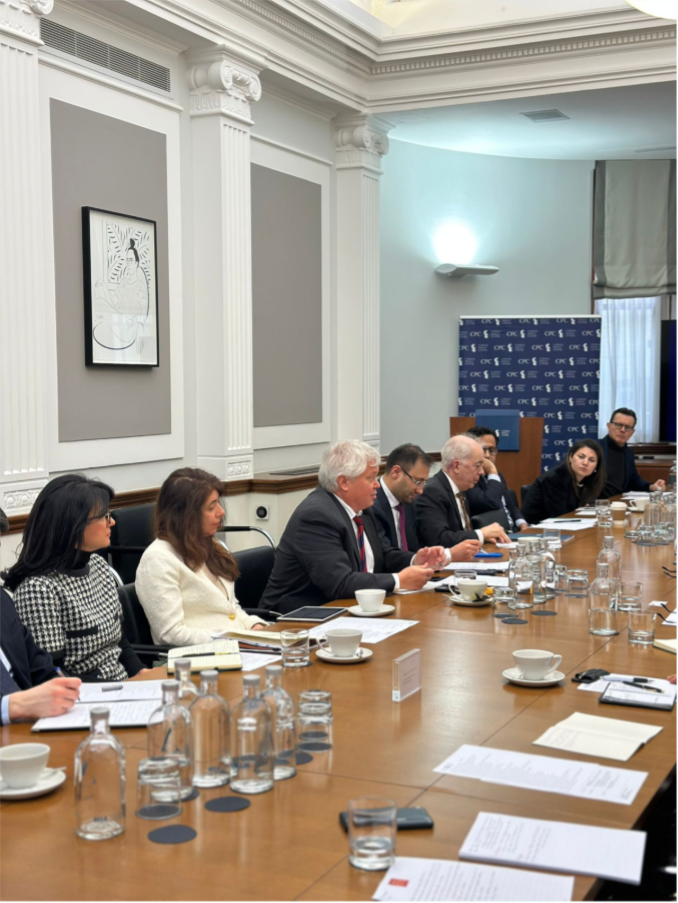
The discussion emphasised that while 2025 represented a period of strategic positioning and alignment, delivery on key agreements and initiatives will be crucial for sustaining such momentum in the region in 2026. Building on these themes, participants also examined several strategic developments and emerging opportunities shaping the regional landscape. These included South Caucasus connectivity opportunities flowing from an Azerbaijan-Armenia peace deal, the implications of the emergence of the C6 framework with Azerbaijan’s formal integration into the framework of Central Asia Consultative Meetings, Russia’s waning influence in the region, the potential regional impact of continued instability in Iran, and options for bringing Turkmen gas to Western markets. The conversation further underscored the need for increased private-sector investment, policy adaptation, and institutional innovation to support a durable and effective U.S. and European strategic presence in the region.
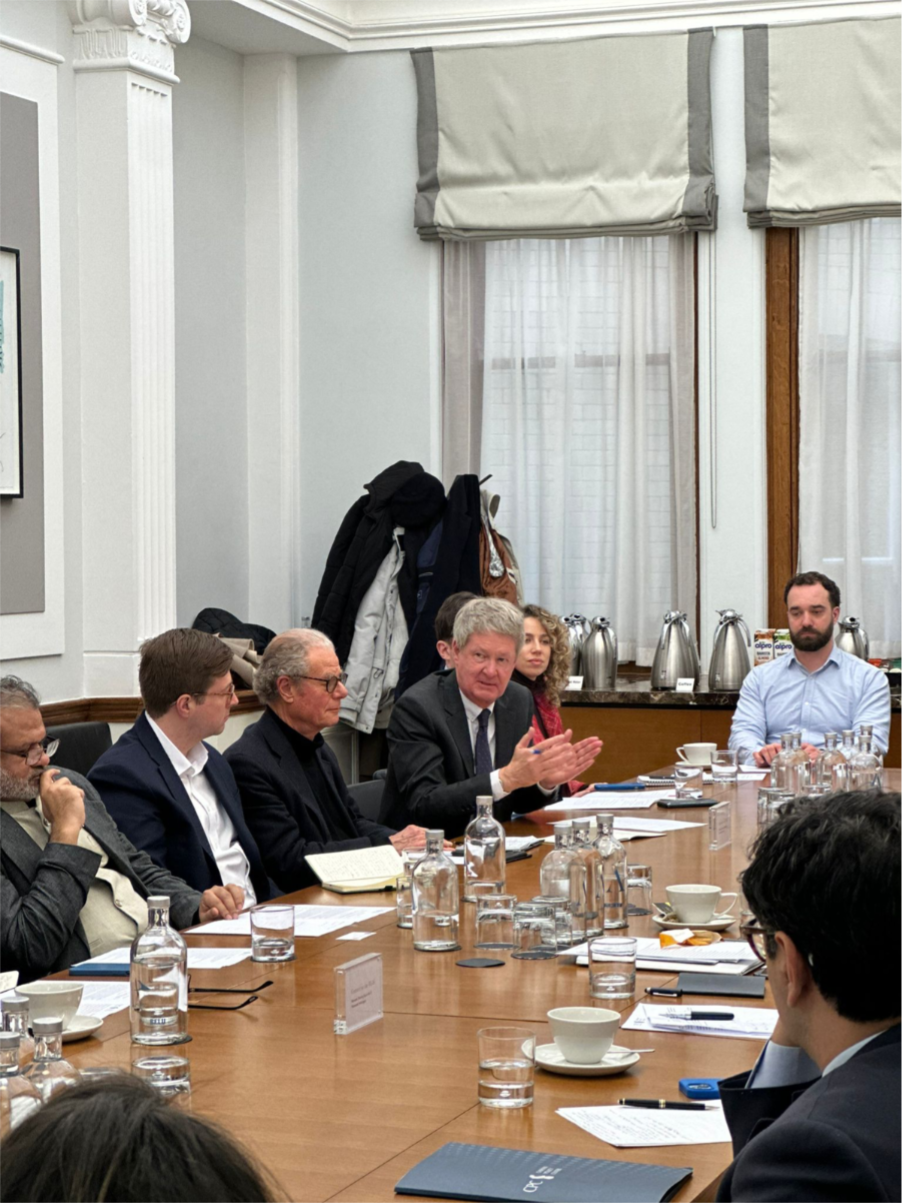
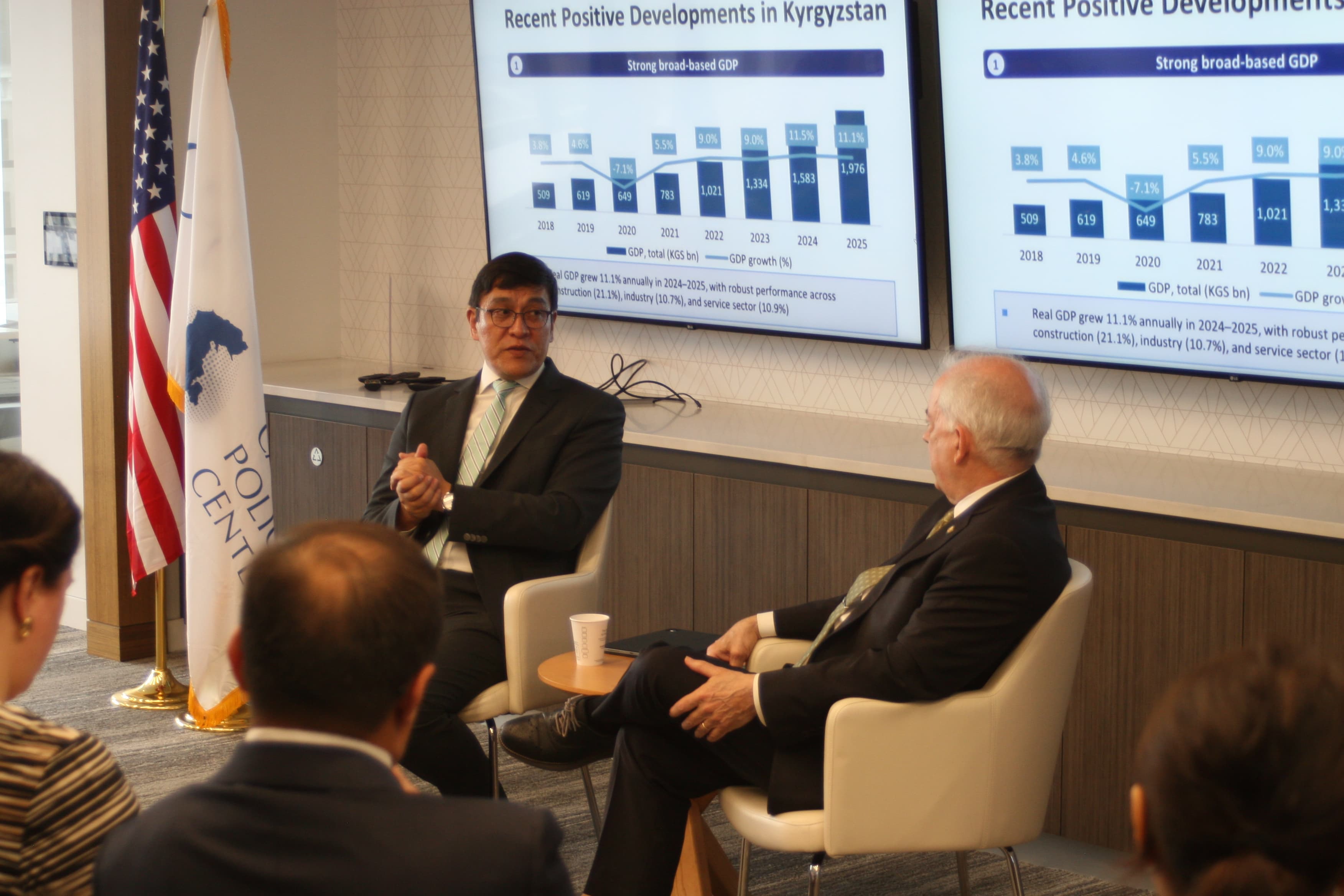
Mr. Nifti delivered opening remarks for the London event. Dr. Rudenshiold presented his policy paper entitled, “The Middle Corridor Moment: How Central Asia and the South Caucasus Are Rewiring Eurasia.” Dr. Kangas discussed CPC’s reflections on priorities and developments to watch for in 2026. These remarks will soon be available on the CPC website.