Historic Meeting of Azerbaijan’s and Ukraine’s Presidents Steps on Moscow’s Toes
Recent Articles
Author: Jack Halsey
04/30/2026
 President of Ukraine
If there was any chance for reinstituting Moscow’s and Baku’s historical working relationship, that path seems ever more distant. While Russia has been distracted with its war in Ukraine, those in the South Caucasus and Central Asia have taken advantage of being out of Moscow’s constant oversight to secure deals and build relationships with other states. Azerbaijan, in particular, has been seeking to secure agreements and build relationships with major powers like the United States and the European Union. Baku has now taken another step towards cementing a new, deeper bilateral relationship with Ukraine.
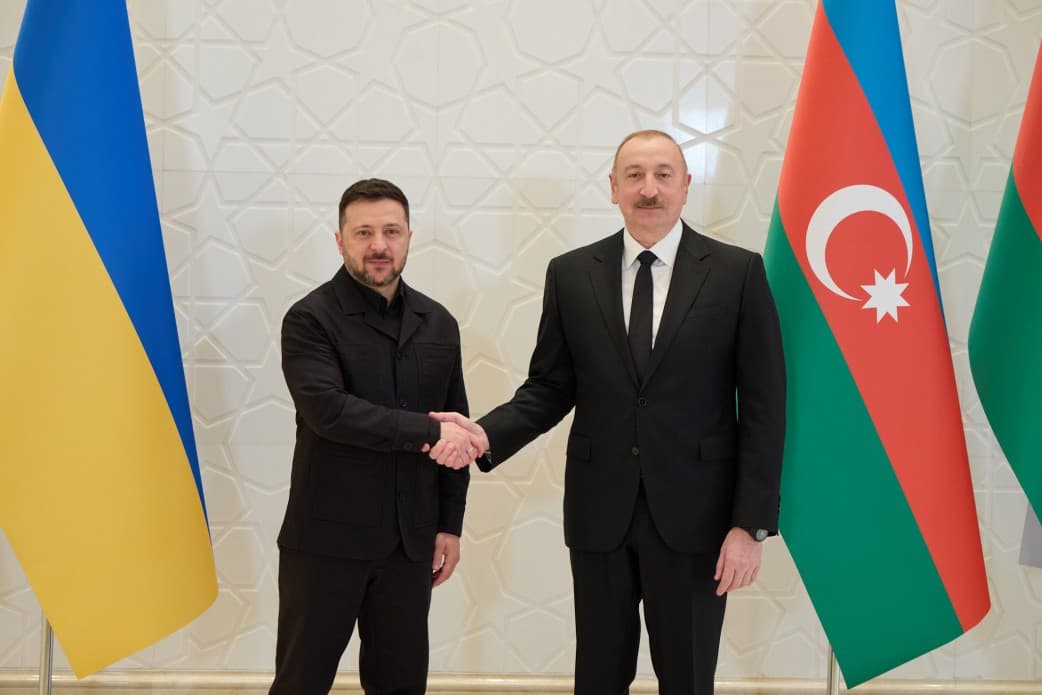
On April 25, Azerbaijan’s President Ilham Aliyev hosted Ukrainian President Volodymyr Zelenskyy for his first visit to the country since Russia’s 2022 invasion. The talks were held in Gabala, a northern Azerbaijani city located roughly 100 kilometers from the Russian border—a setting that underscored the symbolic and geopolitical sensitivity of the meeting. During this state visit, the leaders signed six agreements to expand bilateral cooperation across several sectors including defense and energy. In the subsequent press conference, President Aliyev highlighted talks about future State Oil Company of Azerbaijan (SOCAR) investments in Ukraine as well as his desire to expand economic ties and increase their bilateral trade that currently exceeds $500 million. Aliyev spoke about the growing military-industrial complex in both countries and how there “are excellent opportunities for joint production, as well as for joint productions in the industrial sector as a whole.”
Zelenskyy shared a similar message, stating that out of all the sectors discussed during the summit, “The number one field is security.” He later emphasized this point, stating that, “I believe that when it comes to the defense industry, security is a field where we can establish very deep cooperation.” As an example of building a closer defense industry, President Zelenskyy announced that Ukraine was sharing its expert knowledge in defense with Azerbaijani counterparts.
Other reports have surmised that the Ukrainian defense experts have already begun engaging their Azerbaijani counterparts in areas like air defense and critical infrastructure protection, safeguarding civilian facilities from aerial attacks, and assessing existing capabilities. The meetings discussed the opportunity for cooperation in counter-drone technologies, as the Ukrainian President said, "Regarding the production of weapons, this can bring stability to our peoples." Eric Green, a non-resident scholar at the Carnegie Endowment for International Peace, adds that Azerbaijan is especially interested in gathering information on counter-drone technology following the recent Iranian drone strikes in its exclave of Nakchivan. He also mentions that “the fact that virtually all the countries in Iran’s neighborhood are developing ties with Ukraine on drone/counter-drone operation is a fascinating by-product of the Iran war.
Each president emphasized the importance of continued relations between their countries. Zelenskyy thanked Azerbaijan for the 11 packages of energy assistance Kyiv has received since the beginning of the war. Most recently in January 2026, Azerbaijan delivered five transformers, 11 generators, 12 low-voltage panels, and 27,000 meters of cables and wires to the Ukrainian Ministry of Energy to assist the reconstruction of Ukraine’s energy infrastructure. Azerbaijan has shipped a total of weight of 2,200 tons of critically needed equipment to Ukraine.
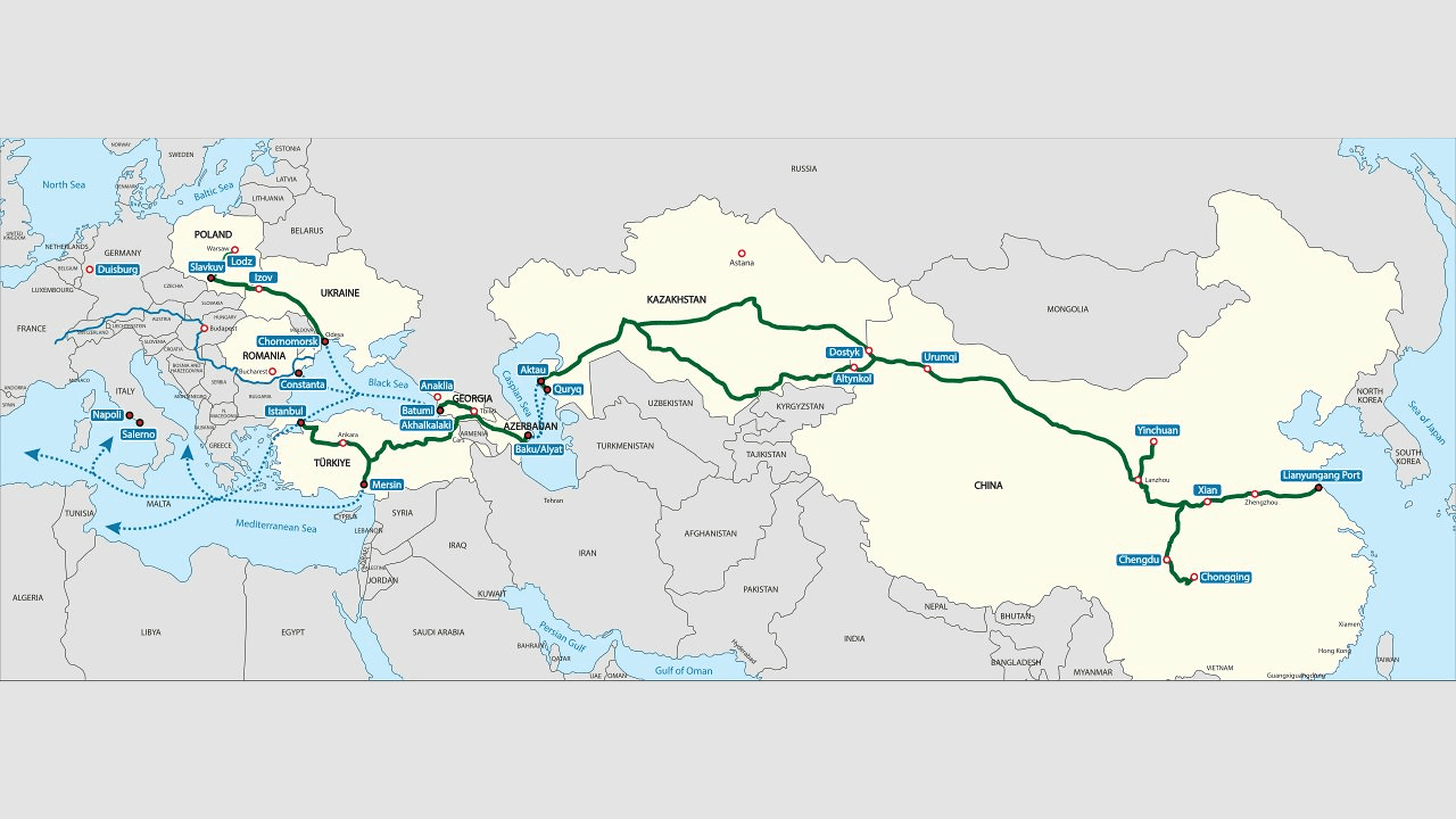
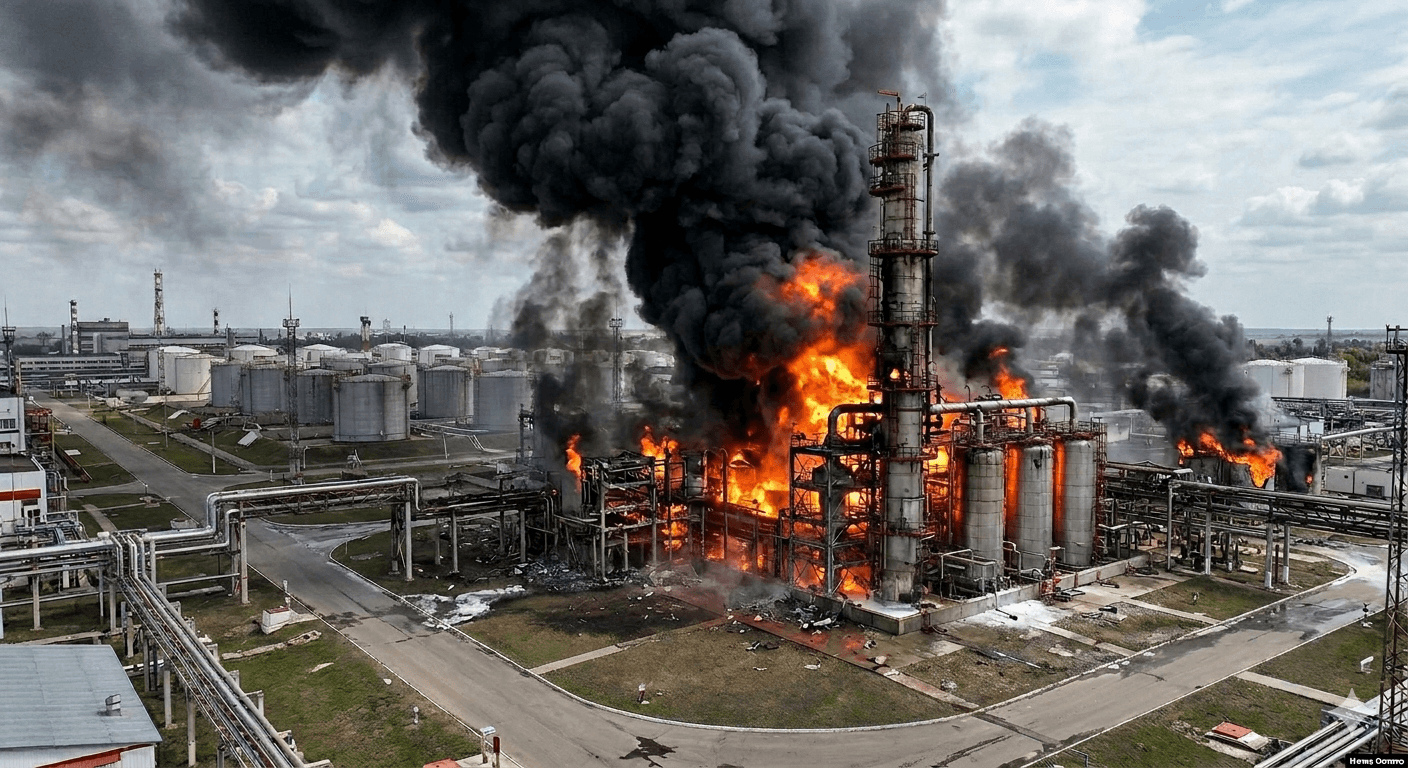
Azerbaijan is working towards increasing the amount of natural gas and oil that the nation can export to Ukraine. In the face of energy shortfalls in summer 2025, Ukraine and Azerbaijan began formulating a possible gas deal with a test shipment via the Trans-Balkan Pipeline. A month later, an oil depot owned by the Azerbaijan’s SOCAR state oil company and a gas pumping station used to import liquified natural gas from the United States and Azerbaijan, was struck by Russian air strikes in Ukraine’s southern Odesa region. Russia’s attempt to disrupt the flourishing energy cooperation between the two countries has reinforced Azerbaijan’s recent strategy to diversify its economic and now defensive reliance.
With diplomatic relations already strained, particularly after the 2024 downing of Azerbaijan Airlines Flight 8243 from Baku to Grozny by a Russian Pantsir missile, Baku’s defense and energy deals signal a clear message to Russia that it no longer depends on it. Not only has Azerbaijan been supporting Ukraine materially and through knowledge sharing (sending demining experts to Ukraine), but also Baku is now looking to further develop a mutual defense industrial base with Ukraine. In addition, Azerbaijan’s military is learning from battle-tested Ukrainian experts how to better defend themselves from external threats. For Baku, these deals could indicate that they are preparing for possible future physical pressure from Moscow. As for the rest of the region, retired Rear Admiral Ron Maclaren suggests that they are waiting to see Russia’s response, and decide if they should risk establishing similar military exchange or training programs with Ukraine.
These deals are not meant to degrade relations between Azerbaijan and Russia; however, they do represent Azerbaijan taking the initiative and setting the standard for any future relations between the two states. Former Ambassador Richard Hoagland concurs that Aliyev’s personal welcoming of Zelenskyy to Gabala “strongly signals Baku’s increasing distance from Moscow’s influence”. Unlike their historical past where Azerbaijan was subordinate to Russia, Baku now sees itself as an equal partner. By further building its defense industrial base and military knowledge, Baku is working to reduce the militaristic advantage that Moscow has used as leverage in the past and to avoid deals that in the past overwhelmingly favored Russia.
During their press statements, Aliyev and Zelenskyy both stated their mutual support for each other’s territorial integrity and independence. It remains to be seen how these deals will be implemented. However, the underlying signal is significant from each of these post-Soviet states working together to further build their energy and defense sectors as a means to strengthen their independence from Russia is significant.