Kazakhstan's Interest in TRIPP and the Future of Eurasian Connectivity
Recent Articles
Author: Ana Maria Kvatashidze
06/20/2026
Kazakhstan’s recent official announcement of readiness to participate in the framework of the Trump Route for International Peace and Prosperity (TRIPP) corridor project goes far beyond a routine diplomatic remark in support of regional connectivity. Central Asia’s largest economy made an explicit expression of interest in joining a route connecting Azerbaijan and its exclave of Nakhchivan, Türkiye, and European markets in what could mark the beginning of a new era in Eurasian logistics.
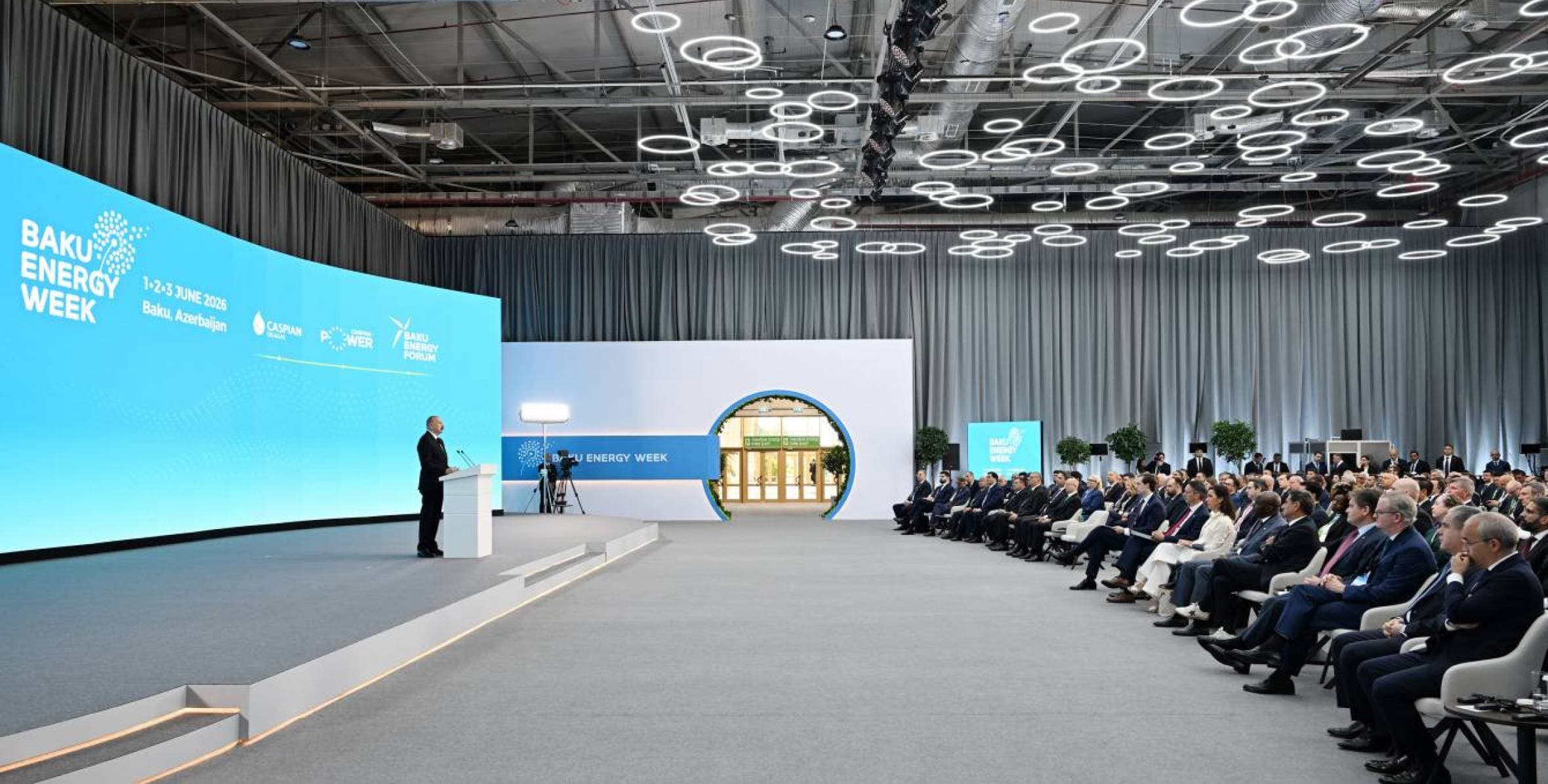
Speaking in Baku in April, Kazakhstan Prime Minister Olzhas Bektenov clearly proclaimed that his country was ready to participate in the project. He also underscored the strategic importance of strengthening the Middle Corridor and integrating it with the TRIPP route, noting growing interest among Kazakhstan’s companies in railway construction and infrastructure modernization. In fact, Bektenov’s remarks point to a broader shift in Kazakhstan’s thinking. Rather than viewing the corridor solely as a transport initiative, Astana increasingly sees it as a strategic component of a wider Eurasian connectivity network with significant economic and geopolitical implications.
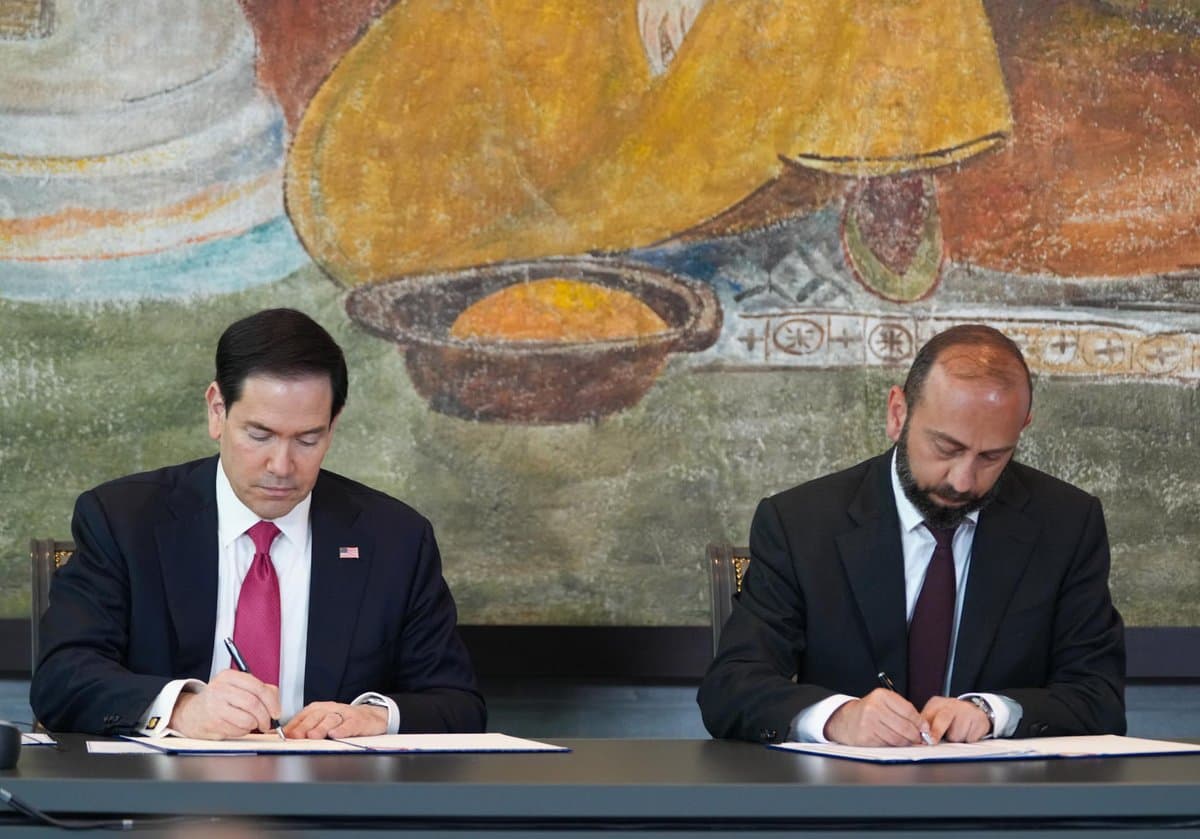
For years, the potential corridor was primarily discussed through the prism of Armenia-Azerbaijan normalization, sovereignty disputes, and post-conflict regional integration. Today, that framework is becoming too narrow. The emergence of the TRIPP agreement, the growing role of the United States in South Caucasus diplomacy, and Kazakhstan’s expressed interest in participating in the project suggest that the corridor is taking on a broader strategic significance. What was once viewed largely as a regional transport link is increasingly being discussed as part of a larger effort to reshape trade and connectivity across Eurasia.
Kazakhstan accounted for approximately 60 percent of Central Asia's economy in 2025. Approximately 42,000 containerized cargo units (TEU) moved through Kazakhstan along the Trans-Caspian route that year, including more than 350 container trains from China. Any corridor seeking to facilitate meaningful cargo movement between Central Asia and Europe ultimately benefits from Kazakhstan’s participation. The country has invested heavily in positioning itself as a leading Eurasian transit hub.
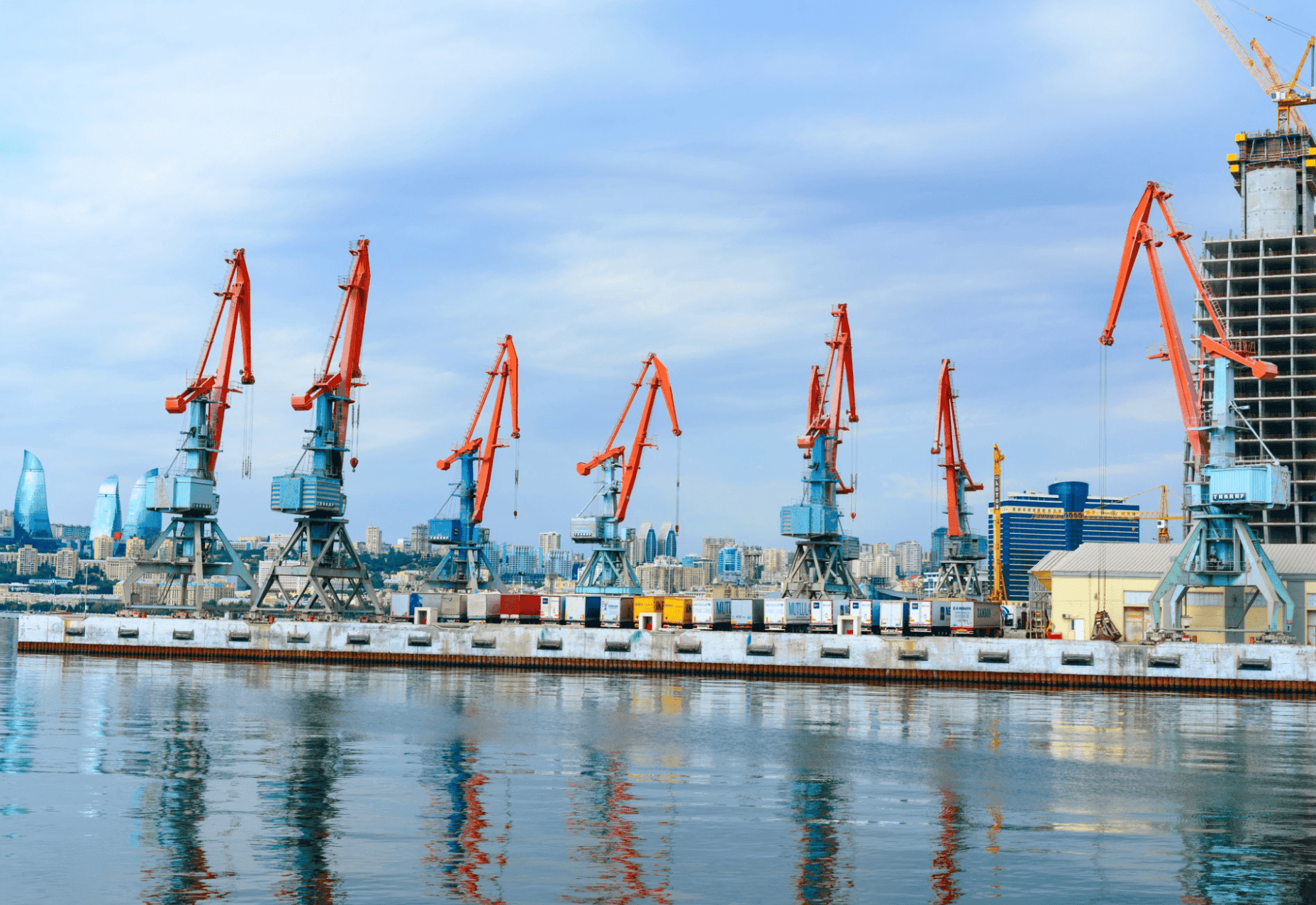
By 2030, the Astana government plans to modernize about 5,000 kilometers of railway infrastructure and repair an additional 11,000 kilometers of track, while major projects such as the Dostyk–Moiynty railway expansion and the new 322-kilometer Moiynty–Kyzylzhar line are expected to increase capacity along key east-west routes. Kazakhstan has also expanded its Caspian logistics infrastructure, with container turnover at Aktau Port rising from 16,387 TEU in 2023 to 54,923 TEU in 2024. In practical terms, Kazakhstan’s backing provides the economic gravity that many regional infrastructure projects struggle to achieve.
By linking the TRIPP route to Central Asia’s largest economy and rapidly expanding the trans-Caspian transit network, Astana has the potential to reposition the project within an expanded realm of Eurasian connectivity. Kazakhstan's announcement might be more significant, not so much in the opportunities the corridor creates for Astana, as in the transformative effect Astana could have on the corridor itself.
Kazakhstan’s interest in the corridor is the product of a decade-long convergence between two states that increasingly view connectivity as a source of strategic influence. Over the past 10 years, Astana and Baku have systematically invested in the infrastructure underpinning east-west transit, from the expansion of Aktau, Kuryk, and Alat ports, to the development of the Trans-Caspian International Transport Route (TITR). The economic foundations of this partnership have deepened as bilateral trade reached about $470.7 million in 2025, with both governments identifying transport connectivity as a central pillar of their broader economic relationship. More importantly, Kazakhstan and Azerbaijan occupy complementary positions within the emerging Eurasian transport architecture. Kazakhstan provides access to Central Asian and Chinese trade flows, Azerbaijan provides the critical bridge connecting the Caspian basin to Türkiye and European markets. Participation in the TRIPP Corridor could, therefore, be viewed as the logical next phase in an increasingly consequential Kazakhstan-Azerbaijan connectivity partnership whose significance now extends well beyond the Caspian region.
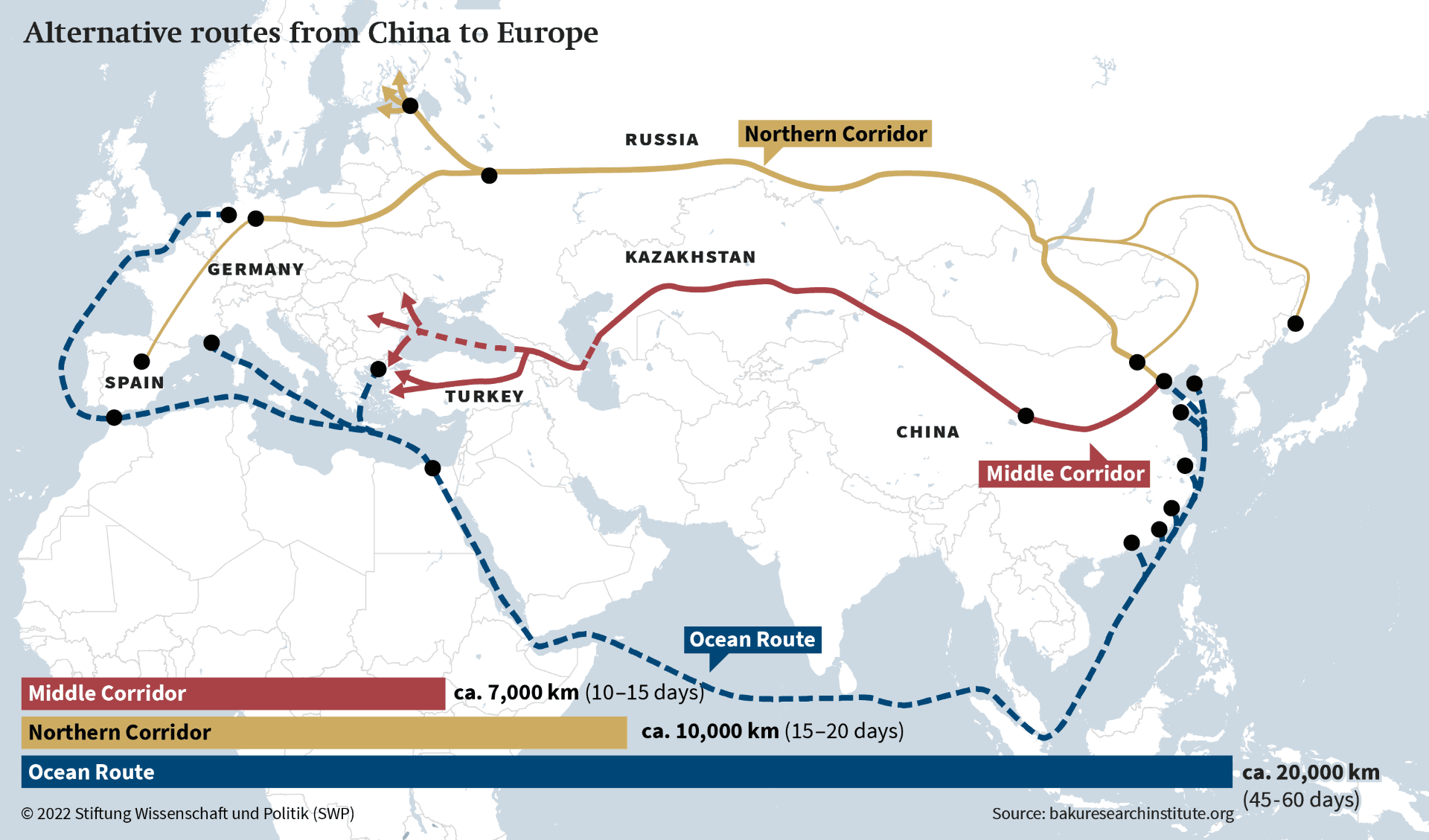
This broader relationship also helps explain why TRIPP should be viewed not as competing with the rail corridor running through Georgia to the Black Sea, but as the maturation of the Middle Corridor concept itself. Significantly, Kazakhstan has explicitly linked the future development of the Middle Corridor to the opening of the TRIPP route, suggesting that Astana views the two South Caucasus rail lines as part of the same evolving connectivity architecture. TRIPP represents an effort to consolidate and optimize Middle Corridor logic by strengthening one of its most critical western links to Türkiye and the Mediterranean Sea and further integration in an emerging Eurasian connectivity system.
The timing of Astana's efforts points to the geopolitical disruptions that followed Russia’s invasion of Ukraine. Since 2022, governments across Eurasia have placed greater emphasis on transport infrastructure as a matter of economic security and resilience. Repeated disruptions affecting the Caspian Pipeline Consortium (CPC) that transits Russian territory, through which the majority of Kazakhstan’s oil exports reach international markets, have underscored the risks associated with dependence on a limited number of transit routes. Against this backdrop, expanding access to alternative corridors has become an increasingly important priority for Astana.
But Ukraine alone does not fully explain the timing of Astana’s announcement. There is little doubt that Russia’s invasion accelerated interest in alternative transport routes across Eurasia and contributed to the rapid growth of the Middle Corridor. Cargo volumes along the route increased about 1.5 million tons in 2022 to more than 5 million tons in 2025, strengthening its role within east-west trade networks. But Kazakhstan’s growing interest in TRIPP reflects a broader picture. Several longer-term trends have also come together. Azerbaijan has spent more than a decade investing in the infrastructure required to position itself as a credible transit platform connecting the Caspian basin to Türkiye and European markets. Furthermore, growing competition over critical minerals, supply chains, and east-west trade routes has increased the strategic value of connectivity itself. In this environment, transport corridors are increasingly instruments of economic resilience, geopolitical influence, and strategic positioning. Astana's interest in TRIPP therefore reflects an effort to secure a place within this emerging geography of Eurasian commerce.
But this trade network will not be shaped by Kazakhstan alone. Astana's decision to participate in TRIPP also carries implications for the major external powers whose economic interests are increasingly tied to Eurasian connectivity. Kazakhstan’s participation also alters the corridor’s strategic significance. Without Kazakhstan, TRIPP remains primarily a South Caucasus initiative. With Kazakhstan, it becomes increasingly integrated into wider Eurasian trade networks and, therefore, more consequential to the geopolitical balance surrounding them.
The result is a paradox for neighbouring Beijing. China stands to benefit from a more efficient and resilient westward transport system, but Kazakhstan’s entry also increases the corridor’s strategic weight for actors such as Azerbaijan, Türkiye, the United States, and potentially the European Union. In other words, Kazakhstan’s participation could help transform TRIPP from a regional infrastructure project into a platform with broader geopolitical relevance that China can utilize economically but might not fully shape politically.
Kazakhstan’s participation would also sharpen the strategic stakes for Georgia because a successful corridor system connecting Central Asia to Europe ultimately requires a reliable Black Sea gateway. As Central Asian trade flows become tied to the corridor, Georgia’s infrastructure, regulatory environment, and long-term stability acquire significance for a wider network of states and markets connected to the emerging Eurasian transport system.
Ultimately, Kazakhstan’s announcement matters because it reflects a broader shift in how Astana is reading the future of Eurasian connectivity. The more consequential question is, therefore, not whether Kazakhstan joins TRIPP, but what Kazakhstan's interest reveals about the corridor's evolving role within the wider Eurasian landscape. In that sense, Astana's decision could be less a transport story than an indication that the geography of Eurasian connectivity is entering a new phase.